
TL;DR:
- Discipline is more critical than innate talent for long-term success in competitive swimming. Consistent routines, focused training, and psychological skills build performance habits that surpass natural ability over time. Supporting discipline through structured programs and positive reinforcement sustains motivation and prevents burnout, leading to lasting achievement.
Most people assume elite swimmers are simply born with the right body and natural feel for the water. That belief is comforting but largely wrong. Systematic discipline and training matter far more than innate giftedness when it comes to long-term improvement in competitive swimming. In this guide, we break down exactly why discipline is the real engine behind swimming success, how coaches and parents can build it intentionally, and what practical steps you can take starting today to create habits that carry swimmers all the way to the top.
Table of Contents
- Why discipline is the foundation of swimming success
- Core elements of discipline in swim training
- Building discipline: Practical strategies for swimmers and parents
- Balancing discipline: Avoiding burnout and maximizing growth
- Why discipline matters more than talent in the long run
- How PEAK Performance Swim Camp helps you develop discipline
- Frequently asked questions
Key Takeaways
| Point | Details |
|---|---|
| Discipline reduces dropout | Disciplined swimmers are far less likely to quit and more likely to reach their goals. |
| Smart routines build elite performance | Consistent, structured discipline helps swimmers continually improve beyond natural talent limitations. |
| Balanced discipline prevents burnout | Combining disciplined effort with rest and recovery results in sustainable progress and well-being. |
| Family and coaching boost discipline | Support from coaches and families amplifies discipline, especially with motivational programs and feedback. |
Why discipline is the foundation of swimming success
Natural ability gets swimmers into the water. Discipline keeps them improving for years. This distinction matters enormously for every competitive swimmer and every parent watching from the stands.
Research makes the connection clear. Self-control and discipline directly correlate with reduced dropout risk in competitive swimmers. That means a swimmer with strong disciplined habits is statistically far more likely to stay in the sport, work through plateaus, and eventually reach their potential. A naturally gifted swimmer who skips practices, avoids feedback, and trains inconsistently is at serious risk of falling behind peers who simply show up and grind every day.
Think of discipline as the infrastructure of performance. Physical conditioning in swimming only produces results when it is applied consistently over time. One great practice session means very little. Three years of disciplined, structured sessions change a swimmer’s trajectory completely.
“Talent is the spark, but discipline is the fuel. Without consistent effort and structured routines, even exceptional ability fades against competitors who simply outwork them.”
Here is how discipline directly shows up in measurable outcomes:
| Discipline behavior | Short-term effect | Long-term outcome |
|---|---|---|
| Consistent attendance | Skill reinforcement | Faster technique gains |
| Following coach feedback | Immediate correction | Permanent form improvement |
| Structured sleep and nutrition | Better daily energy | Sustained peak output |
| Mental focus during practice | Higher training quality | Improved race-day performance |
| Routine warm-up and cool-down | Injury prevention | Uninterrupted training blocks |
The data reinforces what coaches have always known intuitively. Consistent, systematic practice allows dedicated athletes to match and even surpass times that once seemed reserved for the most naturally gifted swimmers. The psychological skills that make discipline stick include self-control, commitment, and the ability to follow routines even when motivation dips. These are learnable skills, not fixed traits.
Key psychological markers of disciplined swimmers include:
- They show up to practice even on low-energy days
- They actively seek coach feedback rather than avoiding it
- They set process goals, not just outcome goals
- They recover emotionally from setbacks without abandoning routines
- They prioritize sleep and nutrition as training tools
A discipline methodology for athletes that focuses on building these internal habits produces far more durable results than one that only pushes physical output.
Core elements of discipline in swim training
Understanding the value of discipline is one thing. Seeing exactly how it is built into a training program is another. Coaches who produce elite swimmers do not leave discipline to chance. They engineer it through periodization, monitoring, and continuous feedback.
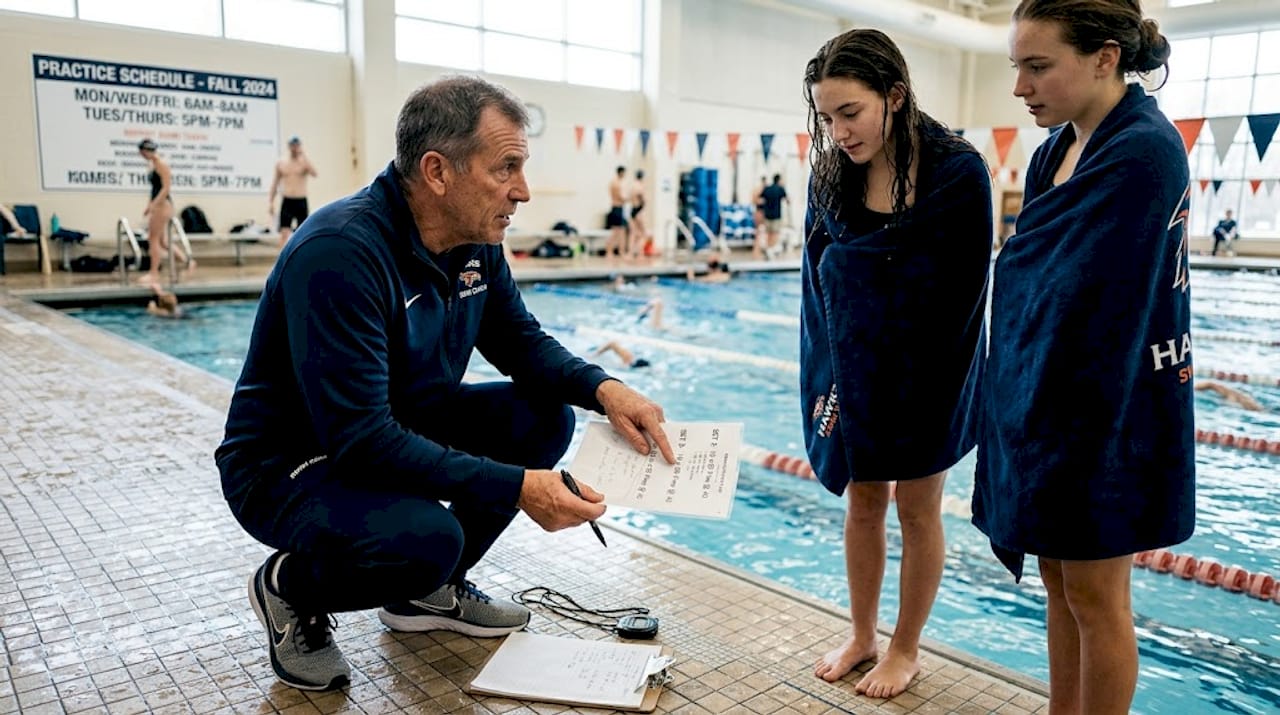
Coaches consistently prioritize periodization, monitoring, and structured feedback as the primary tools for developing disciplined, high-performing swimmers. Periodization means organizing training into specific phases, each with a different focus. A pre-season phase might emphasize technique and aerobic base. A competition phase might shift to race-pace work and mental preparation. A recovery phase deliberately reduces load to allow adaptation.
Here is how traditional training models compare to modern discipline-centered approaches:
| Training approach | Focus | Strengths | Weaknesses |
|---|---|---|---|
| Traditional volume model | Hours in the water | Builds endurance base | Risk of burnout and overuse |
| Modern periodized model | Structured phases and feedback | Optimizes adaptation and recovery | Requires detailed planning |
| Discipline-centered model | Habits, routines, and mindset | Sustains long-term improvement | Demands coach-athlete buy-in |
The discipline-centered model does not abandon hard work. It organizes that work so every session has a clear purpose. Swimmers who understand why they are doing a specific set train with more focus and retain the lesson far better.
How coaches build discipline systematically:
- Set clear session goals before practice begins, so swimmers know what success looks like that day
- Track objective data like split times and stroke counts to give swimmers concrete feedback
- Adjust subjective workload based on how swimmers are feeling, preventing accumulation of fatigue
- Use end-of-session reviews to reinforce what was done well and what needs attention
- Build consistent pre-practice rituals that signal to the brain it is time to focus
Year-round swim training that applies these elements builds the kind of discipline that compounds over months and seasons rather than peaking briefly and then collapsing.
Pro Tip: Encourage your swimmer to keep a short training journal. Writing two or three sentences after each practice about what went well and what to work on next builds self-awareness and deepens discipline faster than extra yards alone.
A well-designed swim coach training workflow ties these elements together into a repeatable system that removes guesswork and keeps swimmers on track through every phase of the season.
Building discipline: Practical strategies for swimmers and parents
Discipline does not just happen. It is built, layer by layer, through the right environment, the right support, and the right habits practiced over time. Both swimmers and parents play active roles in this process.
Motivational programs and psychosocial support measurably improve discipline in swimmers, and mindfulness practices specifically help swimmers develop self-regulation consistency. Self-regulation means staying focused and on-task even when training feels hard, boring, or frustrating. It is the mental muscle that keeps a swimmer working through a difficult set rather than backing off.
Research also shows that targeted interventions can strengthen discipline and self-control over time, though building some traits takes sustained effort and patience. This is an important reality check: discipline does not appear overnight. It is earned through repeated small decisions made in the right direction.
Proven strategies for swimmers:
- Anchor your routine to a trigger. Wake up at the same time every practice day. The consistency of the trigger makes the routine feel automatic faster.
- Use implementation intentions. Instead of “I will try harder,” tell yourself “When the coach gives feedback, I will ask one clarifying question.” Specific plans beat vague intentions every time.
- Practice mindfulness before practice. Two minutes of focused breathing before entering the pool improves attention and lowers pre-practice anxiety.
- Set weekly micro-goals. Focusing on one small technical improvement per week keeps discipline manageable and gives swimmers a clear win to celebrate.
- Review progress monthly. Comparing current and past training data shows real growth, which reinforces the motivation to keep working.
Practical strategies for parents:
- Model commitment. When swimmers see parents honoring their own commitments and routines, the behavior becomes a family value rather than a demand.
- Communicate with coaches regularly. Parents who stay informed about training goals can reinforce those goals at home without overstepping.
- Celebrate effort, not just results. Praising a swimmer for showing up on a hard day builds intrinsic motivation more powerfully than praising a medal.
- Avoid rescue behavior. When a swimmer wants to skip a session without a genuine reason, allowing it consistently undermines the discipline you are trying to build.
Mental conditioning in swimming is one of the most underused tools available to competitive swimmers. Pairing mental skills training with physical training creates athletes who are disciplined in both body and mind.
Pro Tip: Try a simple motivation strategy used by elite athletes: write down your top three training values at the start of each week. Discipline, technique, and resilience are common examples. Reading them daily keeps your behavior aligned with what you actually care about.
Balancing discipline: Avoiding burnout and maximizing growth
Here is the part most people skip in conversations about discipline: more is not always better. Discipline without recovery is not sustainable, and unsustainable habits collapse eventually.
Over-reliance on training volume without intelligent periodization is one of the primary drivers of swimmer burnout. Burnout in competitive swimming is not just about being tired. It involves emotional exhaustion, declining performance despite continued effort, and a loss of motivation that can take months or even years to rebuild.
How to protect your swimmer from burnout while maintaining discipline:
- Honor rest days completely. Active recovery like walking or stretching is fine, but full rest days are non-negotiable in a healthy training plan.
- Watch for early warning signs. Irritability, declining times, disrupted sleep, and loss of enjoyment are all signals that demand attention before they escalate.
- Rotate training intensity deliberately. High-load weeks should be followed by reduced-load weeks to allow physical and mental adaptation.
- Keep perspective on competition results. A single disappointing race is not a sign that the training plan is broken. Pattern recognition over weeks and months is what matters.
- Protect time for enjoyment outside swimming. Swimmers who have meaningful activities beyond the pool actually return to practice with more motivation, not less.
“The swimmers who last the longest in this sport are not the ones who train the hardest every single day. They are the ones who train smart, recover fully, and protect their love of the water.”
Mental training tips for swimmers address the psychological side of this balance, while a thoughtful approach to recovery for swimmers handles the physical side. Both are essential components of disciplined, sustainable training.
The student-athlete balance is also a real concern. Competitive swimming often coexists with demanding academics and social development. A disciplined approach to time management, energy allocation, and recovery allows swimmers to succeed in all areas without sacrificing one for another.
Healthy discipline looks like consistent, purposeful effort within a well-structured plan. Unhealthy discipline looks like grinding through pain, skipping rest, and treating every sub-par session as a personal failure. Teaching swimmers to recognize the difference is one of the most valuable things coaches and parents can do.
Why discipline matters more than talent in the long run
After working with swimmers across 18 countries and more than 1,000 camps over three decades, one pattern stands out above everything else: discipline separates the swimmers who reach their potential from the ones who never quite get there, regardless of natural ability.
Talent gives a swimmer a head start, but an overemphasis on volume and grinding without smart structure can actually erase those early advantages. We have seen naturally gifted swimmers plateau by age 14 because they relied on raw ability instead of building habits. We have also seen swimmers with modest early results develop into national-level competitors by committing to disciplined routines for years.
What makes discipline so powerful is that it is trainable. Talent is largely fixed at birth. Discipline grows every single time a swimmer makes the right choice, shows up when they do not feel like it, or asks for feedback when they would rather avoid it. Those small moments accumulate into something enormous over a full swimming career.
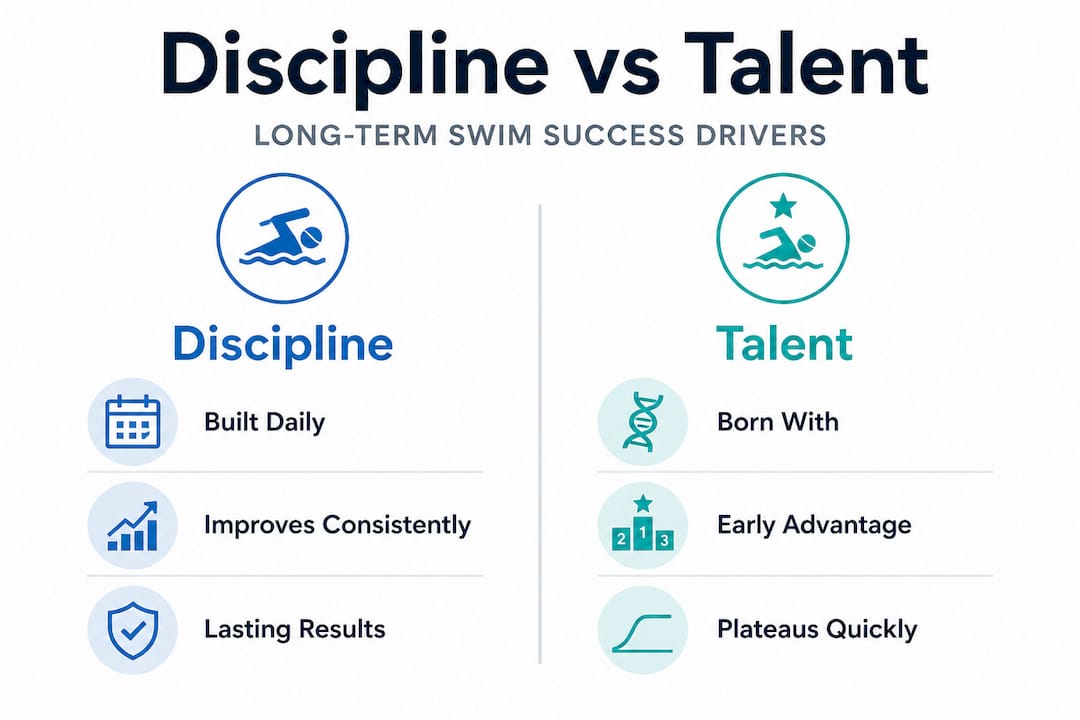
Elite swimmers share three consistent traits: structured daily routines, a genuine passion for the process, and the discipline to execute even when conditions are far from ideal. They do not always love every session. They do not always feel fast. But they show up, they focus, and they trust the process. That is what coaching strategies for youth swimmers at the highest level are designed to build.
The message for parents is equally clear. Supporting your swimmer’s discipline development is a more valuable investment than chasing the next performance shortcut. Building strong habits now creates a competitor who can sustain excellence for the entire arc of their swimming career.
How PEAK Performance Swim Camp helps you develop discipline
PEAK Performance Swim Camp gives swimmers a structured environment where discipline is built into every session. Our coaches apply evidence-based training methods developed across 50 years of experience and more than 1,000 camps worldwide.
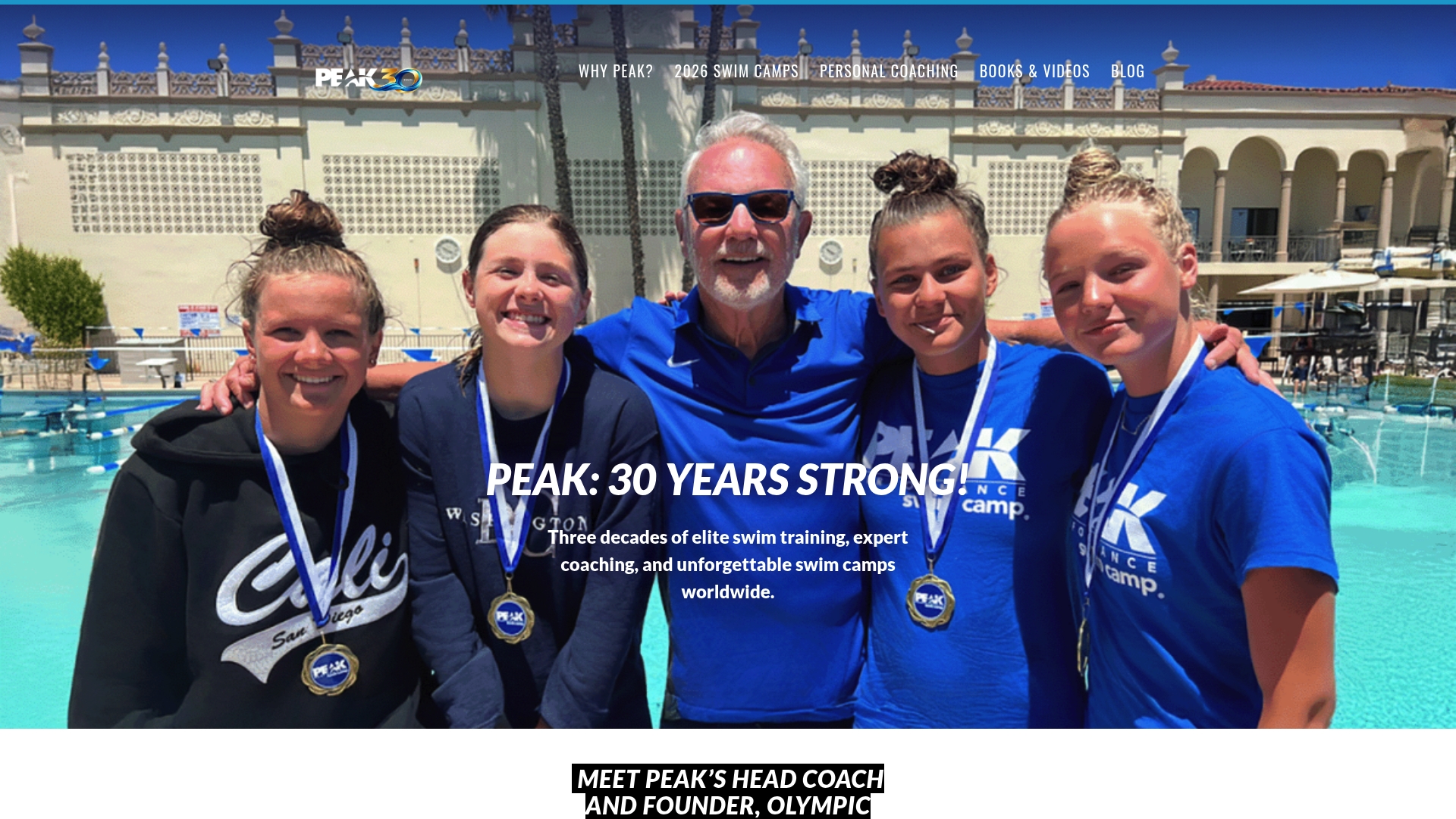
Whether your swimmer is just starting out in competitive swimming or preparing for national competition, our swim camps are designed to develop the habits, mental skills, and technique that drive lasting results. For swimmers who want individualized attention and a custom development plan, our personal swim coaching programs connect athletes with elite coaches in a focused one-on-one setting. Every program we offer is built on the same foundation: disciplined, purposeful training that produces real, measurable growth.
Frequently asked questions
How does discipline impact dropout rates among swimmers?
Disciplined swimmers are significantly less likely to quit the sport, because self-control and consistent routines strengthen commitment through difficult periods and performance plateaus.
Can young swimmers develop discipline, or is it mostly innate?
Discipline is highly trainable at any age. Motivational and psychosocial interventions have been shown to meaningfully improve self-regulation and consistency in young competitive swimmers.
What are effective ways parents can support discipline in swimmers?
Parents can reinforce routines at home, model commitment in their own lives, and maintain open communication with coaches to create a consistent and supportive development environment.
How do coaches use periodization to prevent swimmer burnout?
Coaches apply periodization by cycling training intensity and built-in recovery phases throughout the season, which prevents the physical and emotional overload that leads to burnout.
Does discipline matter more than talent for long-term swimming success?
Yes. While talent can provide an early edge, systematic discipline and training consistently produce greater long-term gains, and disciplined swimmers far more reliably sustain peak performance over full careers.
Recommended
- Essential mental training tips to boost swim performance – Peak Performance Swim Camp
- Why swimming fundamentals unlock competitive success – Peak Performance Swim Camp
- Physical conditioning for swimmers: unlock peak performance – Peak Performance Swim Camp
- Mental conditioning in swimming: unlock superior performance – Peak Performance Swim Camp
- The VIRIDOS Methodology — Discipline, Precision & Long-Term Performance